Drive home, not a commute? Why one employer's vehicle rule pulled it inside the job
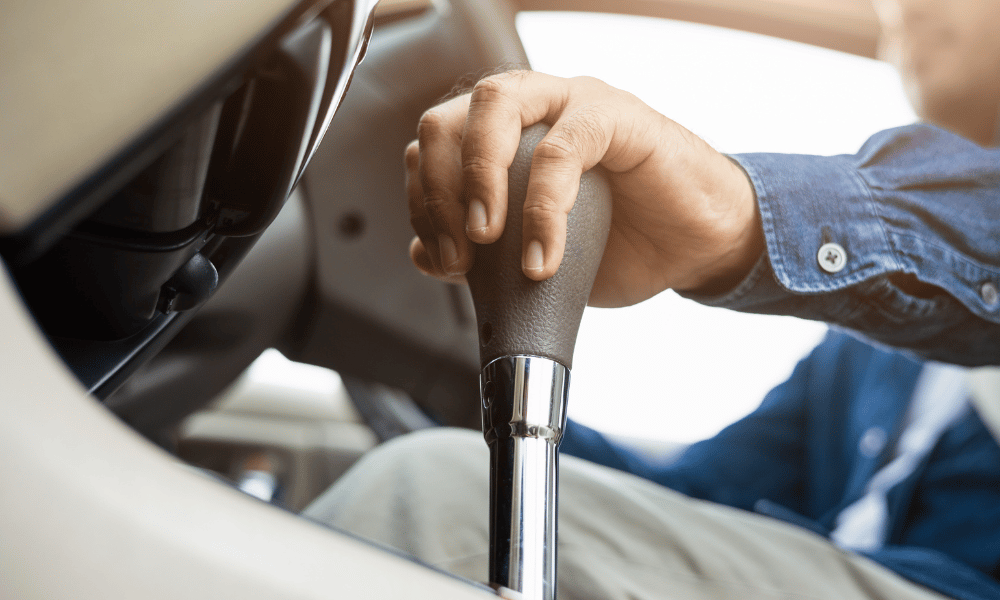
A council worker hurt his back on the drive home. His employer must now pay for surgery.
On May 28, 2026, the South Australian Employment Tribunal ruled that Shannon Morrison's back injury arose from his employment - even though it happened while he was driving home - because his employer required him to take the vehicle and keep it ready for after-hours work.
The decision is a useful read for any HR or workplace-safety lead who manages company vehicles or on-call arrangements. It shows how an employer's own directions can stretch the scope of employment into what looks like a routine commute.
Morrison, 40, had worked for the City of Charles Sturt since 2007, starting as an arborist. In his usual job as a work group leader he drove an automatic utility vehicle. In late June 2024 he was asked to step into an acting coordinator role - he did not apply for it - and his automatic ute was reassigned to the person filling his old job. He was handed the next vehicle available: a manual Ford Ranger the judgment calls "the Ute."
He drove it for the first time on Friday, June 28, 2024. He stopped to refuel on the way home because council policy required work vehicles to keep at least a quarter tank of fuel. Stuck in stop-start traffic, he worked the clutch constantly and felt pain building in his lower back and left leg. He took two after-hours work calls that evening and another the next day. Over the following days he kept driving the ute - to and from home, and between work sites - and the pain grew worse. By July 4 he asked to switch back to his old vehicle. The request was granted. The pain stayed.
Morrison had a prior back injury from 2022, accepted as a work claim, that had settled with treatment. This time he sought pre-approval for discectomy surgery at the L5-S1 disc level. The Local Government Association, the compensating authority for council bodies, rejected the claim.
The authority argued the drive home was just a commute - the ute, it said, was a perk to spare Morrison the cost of using his own car, no different from the salary-sacrificed Teslas other staff drove. It also argued the real cause of the surgery was a long-standing disc problem the LGA said had been developing since 2011, not the 2024 incident.
Deputy President Judge Calligeros rejected both points. He called Morrison "a candid and reliable witness." He found the ute was provided primarily for the council's benefit, citing the council's own vehicle policy, and questioned why the council would supply a utility vehicle if it was only used to commute.
The finding that matters most for HR sits in the journey rules. Under section 7(8)(a) of the Return to Work Act 2014, a journey injury counts if the trip is undertaken in the course of carrying out employment duties. The judge found that test met. Morrison was still in his substantive role on June 28 and that weekend, was paid a $3,000-a-year availability allowance to answer after-hours calls, and was required both to drive the ute home so it was ready for a call-out and to refuel it on the way. Each journey, the judge wrote, "saw him adhering to a requirement of CCS."
He also pointed to trips between work sites on July 2 and 3, which were "from one place of work to another place of work" and clearly work-related. Taken together, the judge found, the driving caused the injury and aggravation behind the need for surgery.
On the medical cause, the judge accepted the view of neurosurgeon Dr Sandler that Morrison's symptoms were "still consistent with a ... flare-up of his sciatica again on the left-hand side in keeping with the S1 nerve roots." He found the surgery was needed as a consequence of the 2024 injury, and that the separate medical-expenses test under section 33 - which the Court has held is "materially different to the test of compensability under s 7" - was met.
The Tribunal set aside the October 21, 2024 decision rejecting the claim and replaced it with an order accepting pre-approval for the discectomy. The parties were given 14 days to submit draft orders.
The takeaway for HR and safety teams is concrete. When you tell an employee to take a specific vehicle home, keep it fuelled, or stay reachable for call-outs, you may be pulling the scope of employment into the commute. The judgment also flags an open question of statutory interpretation now before the Court of Appeal in the Priolo case, which could change how journey injuries are judged in future.